Learn to crochet, one lesson at a time
17 free lessons in plain English, from holding your first hook to blocking a finished blanket. New to crochet? Start with lesson one and work through in order.
Start with lesson oneCrochet Basics
Start here: how to hold the hook and yarn, make a slip knot and a magic ring, and read your first pattern line by line.
 Lesson 17 min read
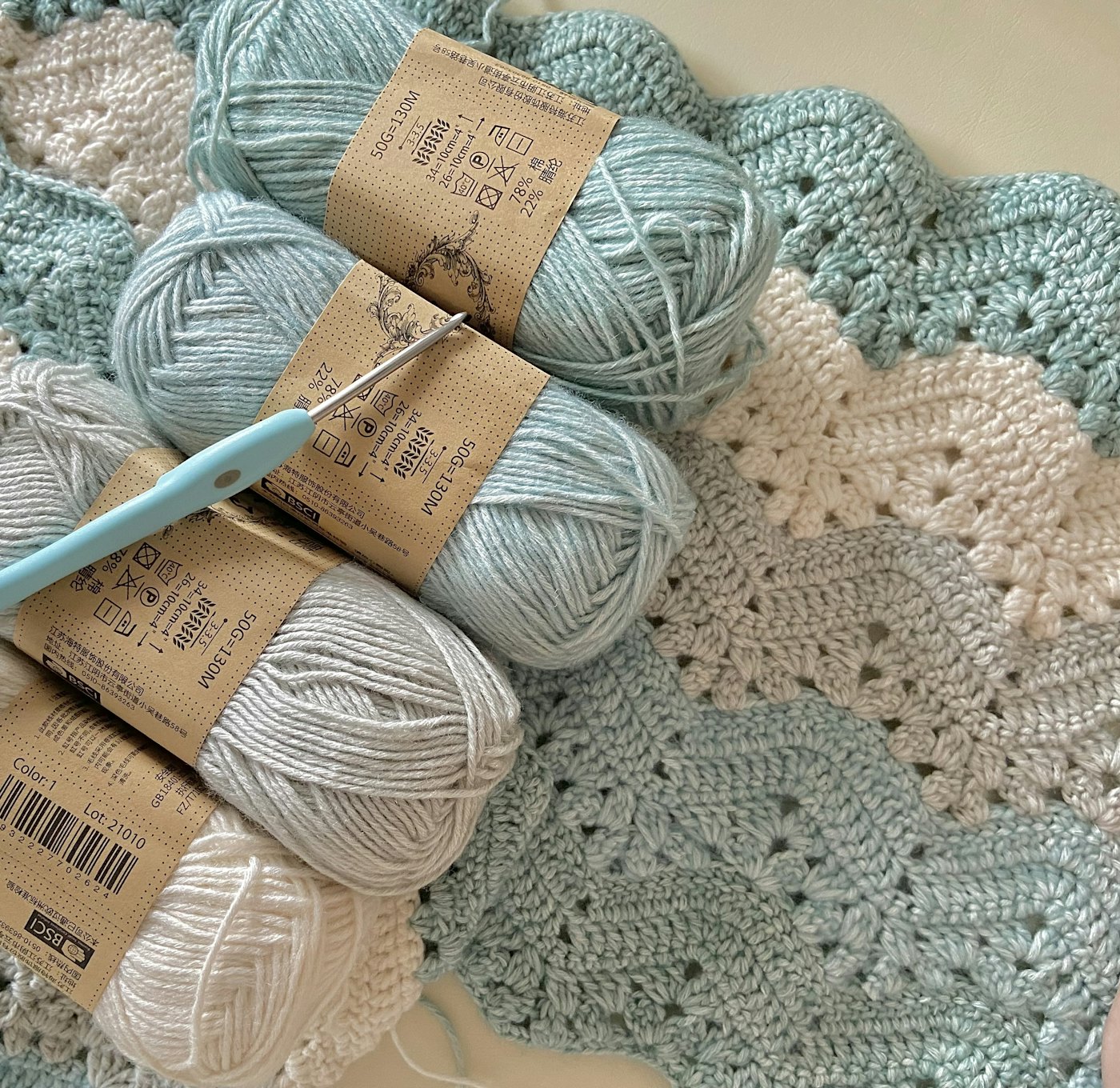
Reading Your First Crochet Pattern, Line by Line
Crochet patterns look like code until someone reads one with you. We take a simple washcloth pattern and translate every line into plain English, so the next pattern you open makes sense on its own.
 Lesson 25 min read
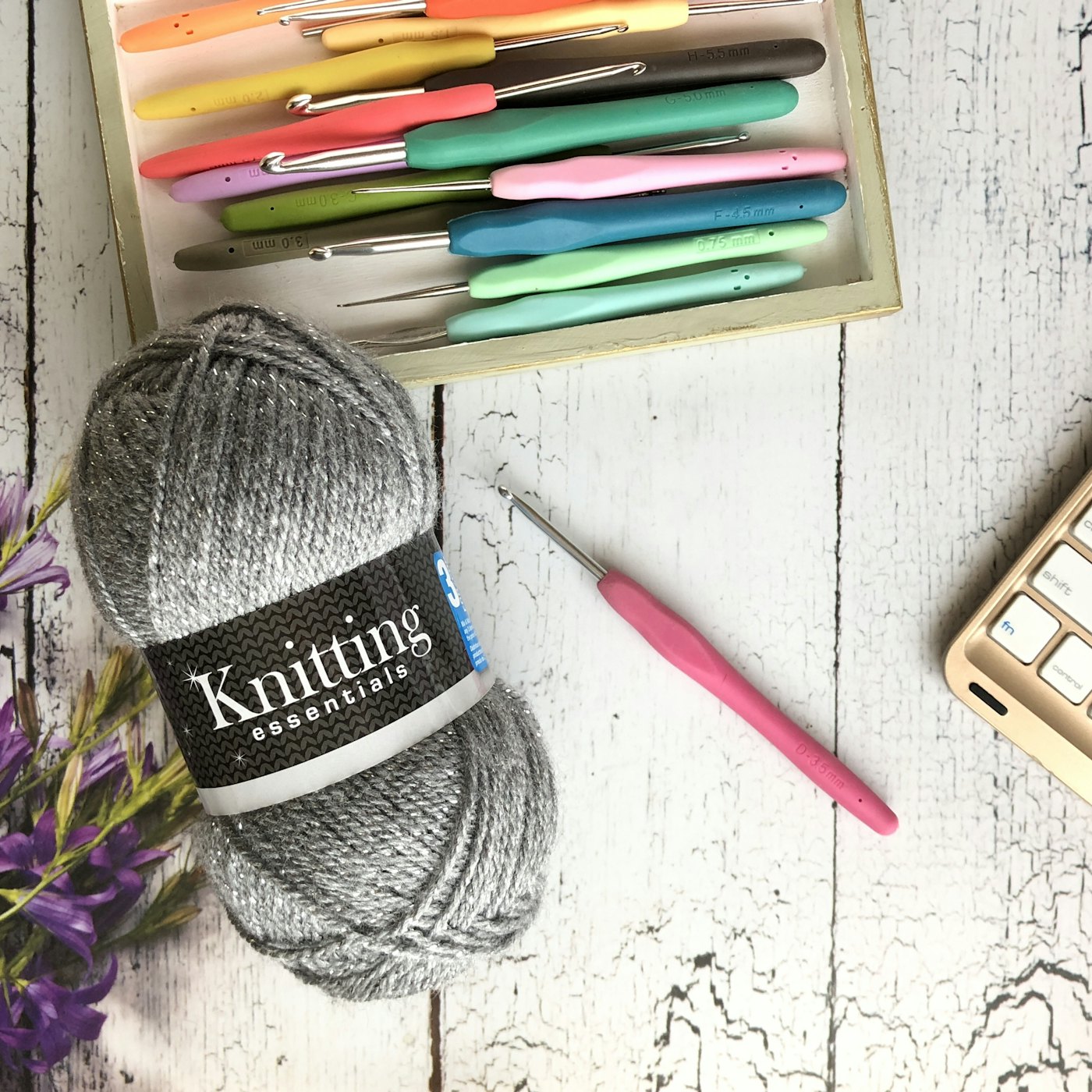
How to Hold a Crochet Hook and Yarn (Without the Hand Cramps)
There is no single correct way to hold a hook, but there are a few ways that make learning much easier. Here are the two common grips, how to control the yarn with your other hand, and how to stop your hands from aching.
 Lesson 33 min read
How to Make a Slip Knot for Crochet
Almost every crochet project starts with a slip knot: an adjustable loop that sits on your hook. It takes a few seconds once you know it, and getting it right makes your first chain much easier.
 Lesson 44 min read
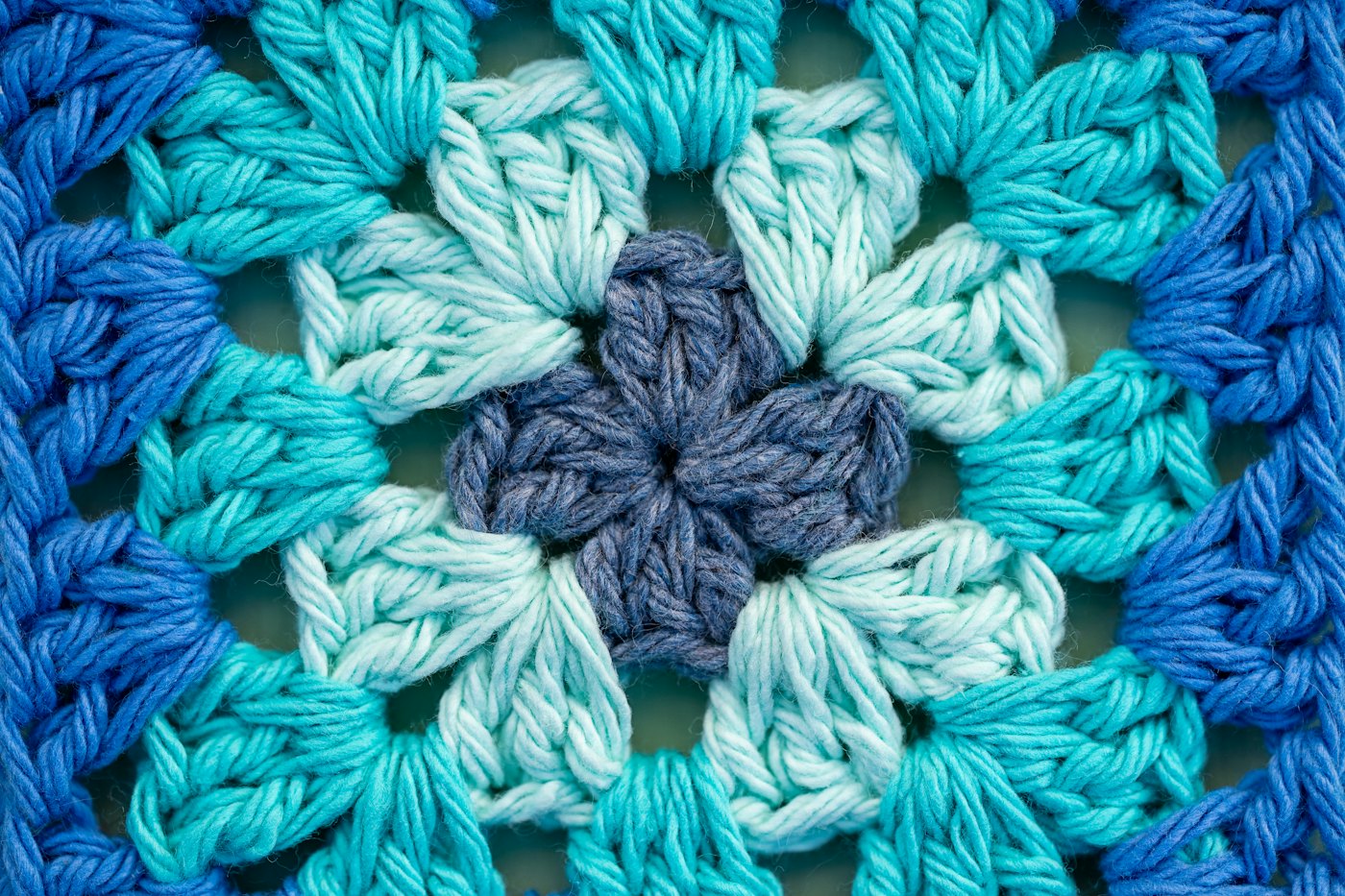
How to Make a Magic Ring (Magic Circle) in Crochet
The magic ring, also called a magic circle or adjustable ring, starts round projects with no hole in the middle. It feels fiddly the first few times, and then it becomes second nature. Here's how to make it and how to keep it closed.
Crochet Stitches
The core stitches, step by step: single, half double, double and treble crochet, plus front and back post stitches for ribbing.
 Lesson 15 min read
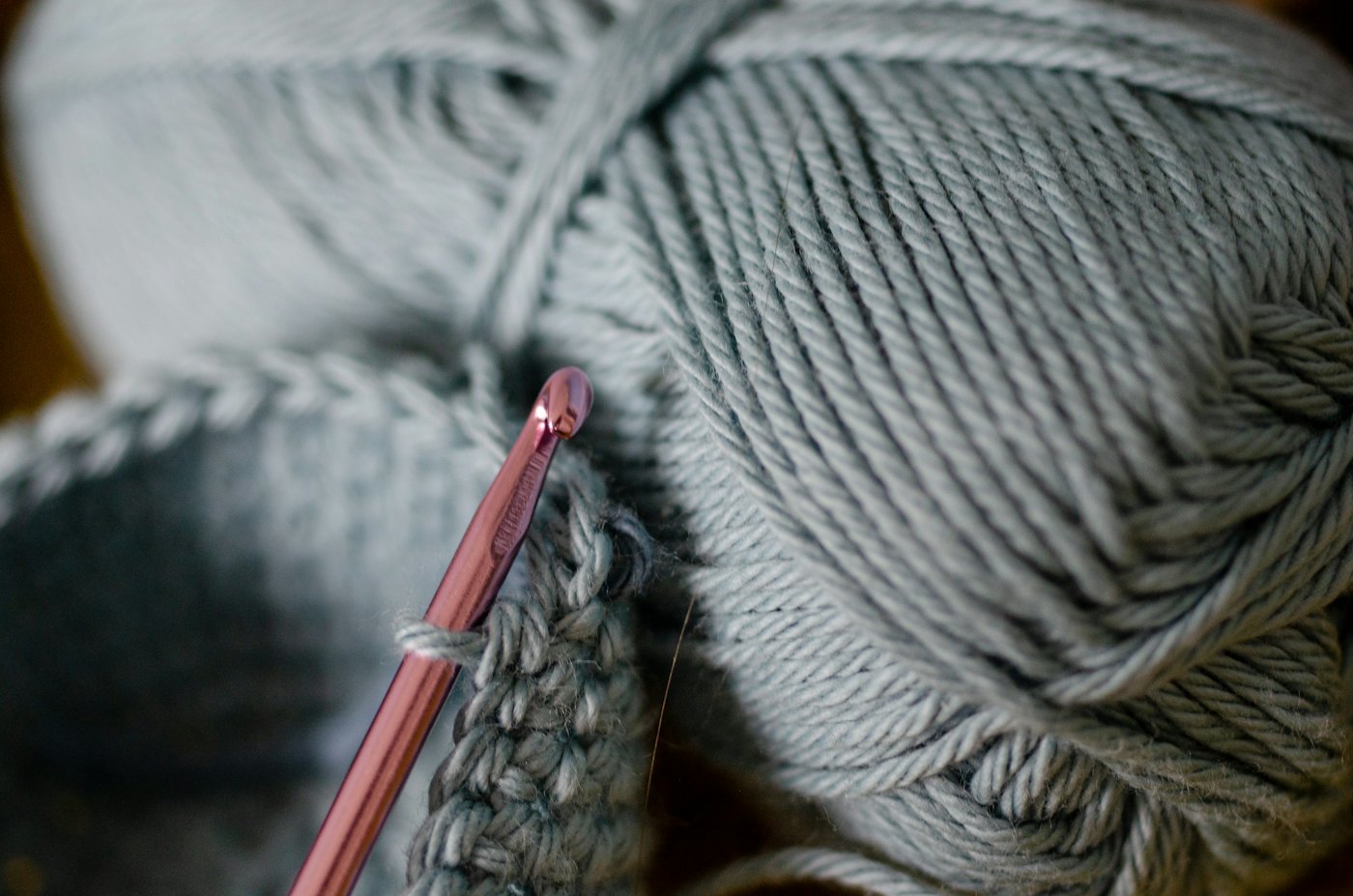
How to Single Crochet (sc): The Stitch Everything Is Built On
Single crochet is the shortest of the basic stitches and the first one most people learn. It makes a firm, dense fabric that's perfect for amigurumi, washcloths and edgings, and once you can do it smoothly every other stitch is a small step further.
 Lesson 24 min read
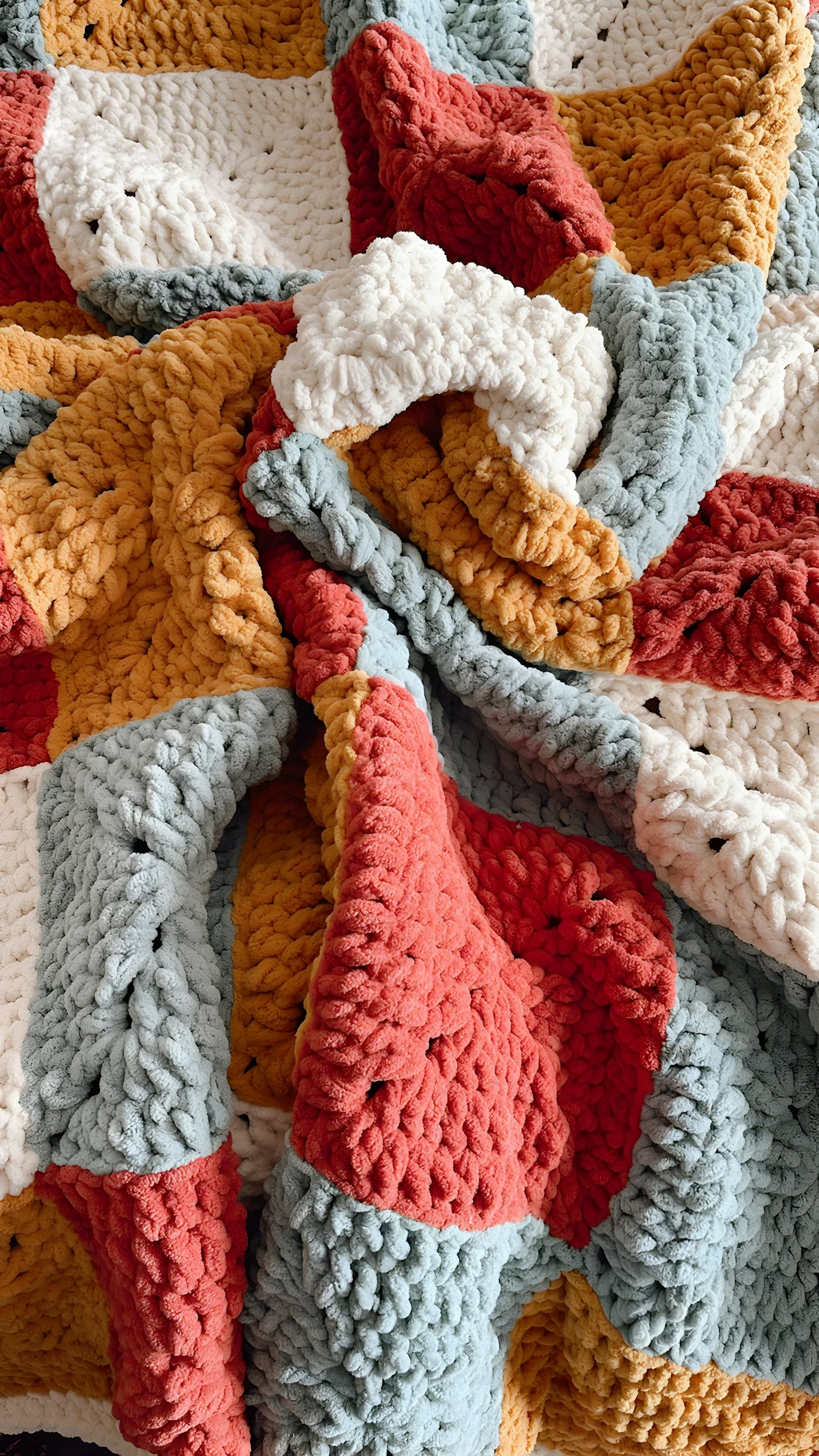
How to Half Double Crochet (hdc), Plus the Third-Loop Trick
Half double crochet sits between single and double crochet in height. It's quick, warm and soft, which is why so many hats, scarves and blankets use it. It also has a hidden third loop that opens up some lovely textures.
 Lesson 34 min read
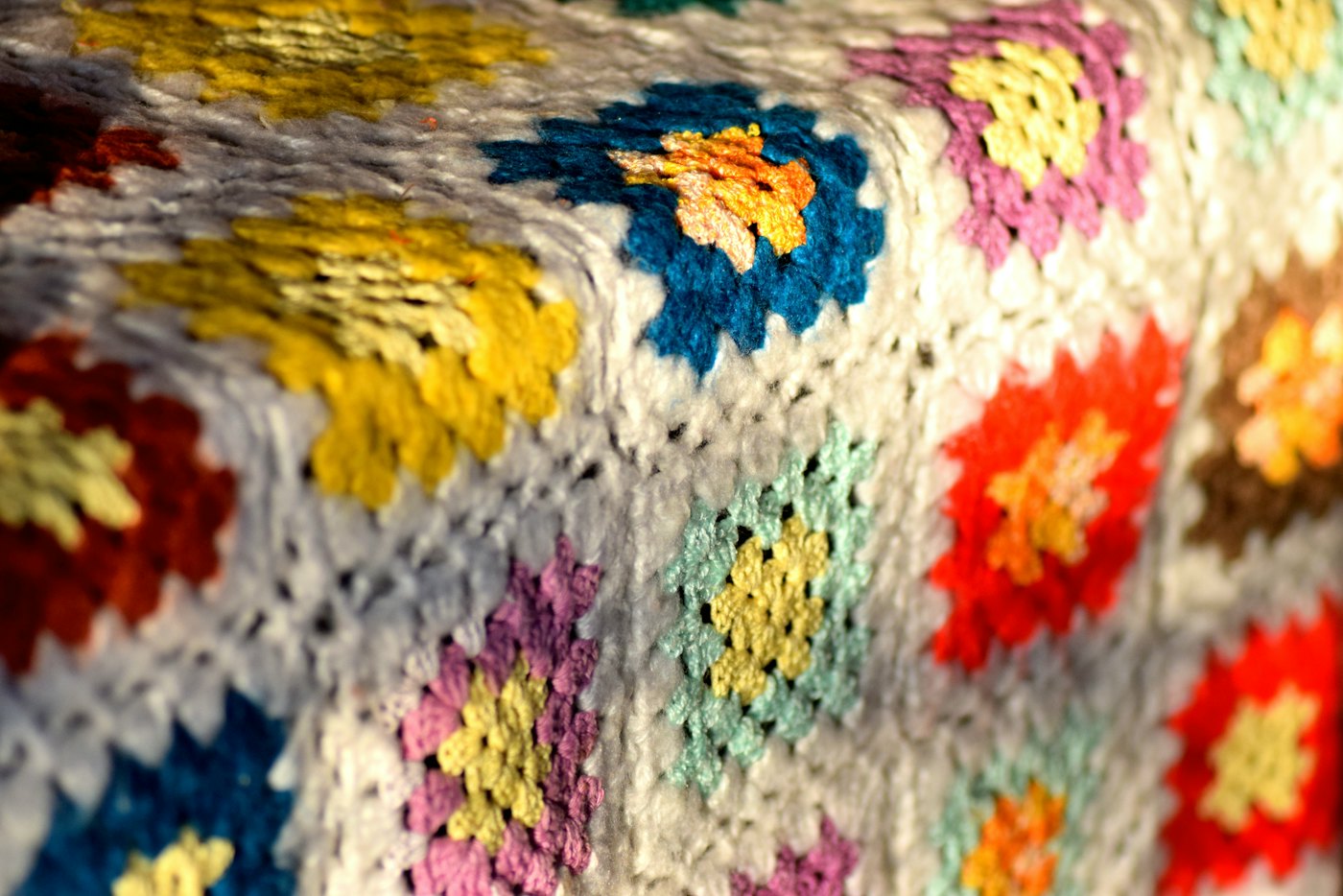
How to Double Crochet (dc) and Avoid Gappy Edges
Double crochet is the workhorse of crochet: tall, quick and drapey. It's in granny squares, shells, blankets and garments. Here's how to work it, what to do with that ch-3 at the start of every row, and how to keep your edges neat.
 Lesson 43 min read
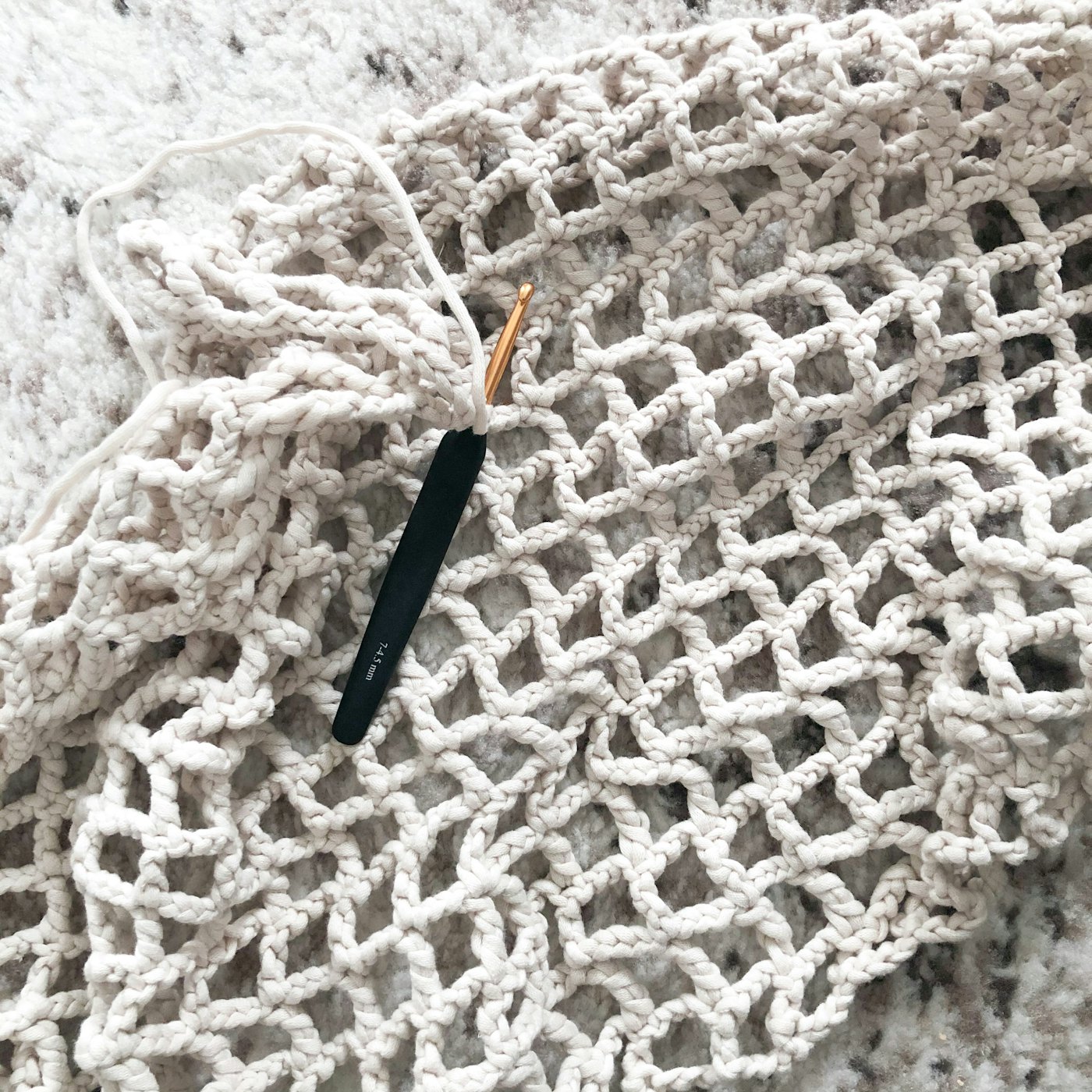
How to Treble Crochet (tr) and the Taller Stitches
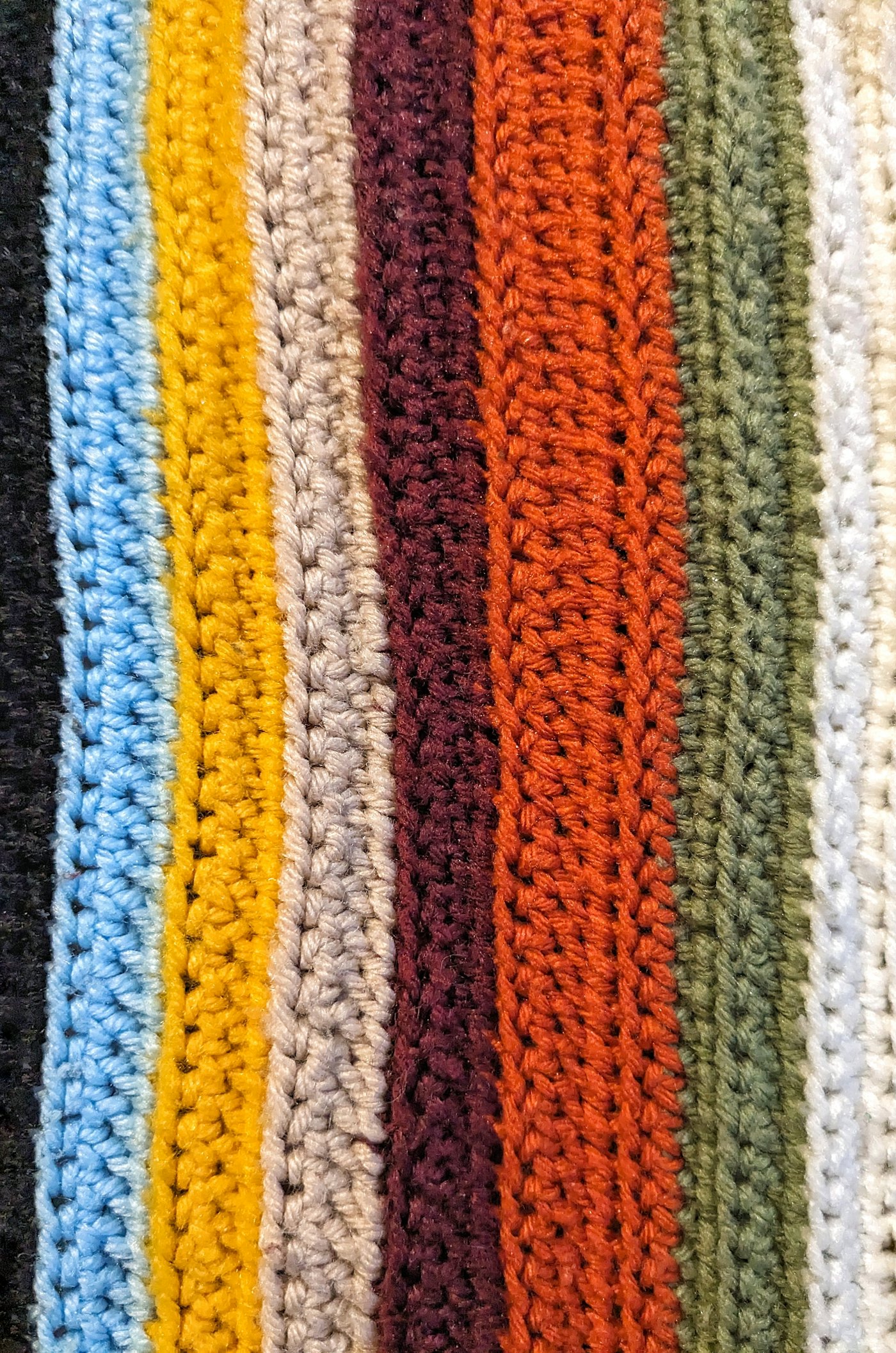
Treble crochet, also called triple crochet, is the tallest of the basic stitches most patterns use. It builds height quickly and creates open, lacy fabric. Once you understand it, double treble and beyond are just more of the same.
 Lesson 54 min read
Front Post and Back Post Double Crochet: Ribbing and Texture
Post stitches are worked around the post of a stitch instead of into its top loops. They push stitches forward or back, creating ribbing, cables and basketweave. If you can double crochet, you already know 90% of it.
Crochet Techniques
Techniques that make your work look finished: invisible decreases, foundation single crochet, clean color changes and blocking.
 Lesson 14 min read
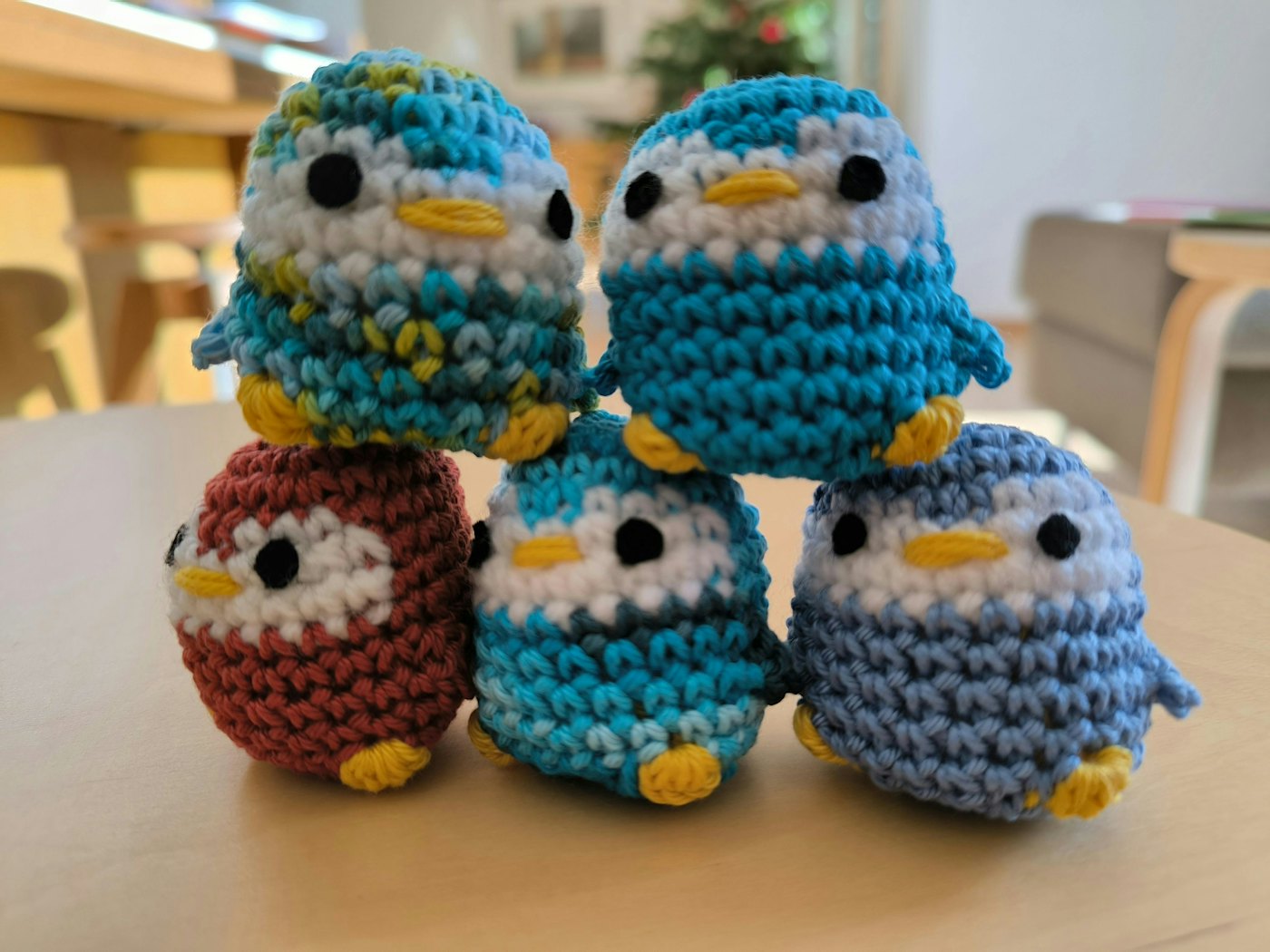
The Invisible Decrease: Neater Shaping for Amigurumi
A regular single crochet decrease (sc2tog) leaves a small bump and sometimes a gap, which shows clearly on amigurumi. The invisible decrease uses front loops only, so it blends in. It's one of the simplest upgrades you can make to your toys.
 Lesson 24 min read
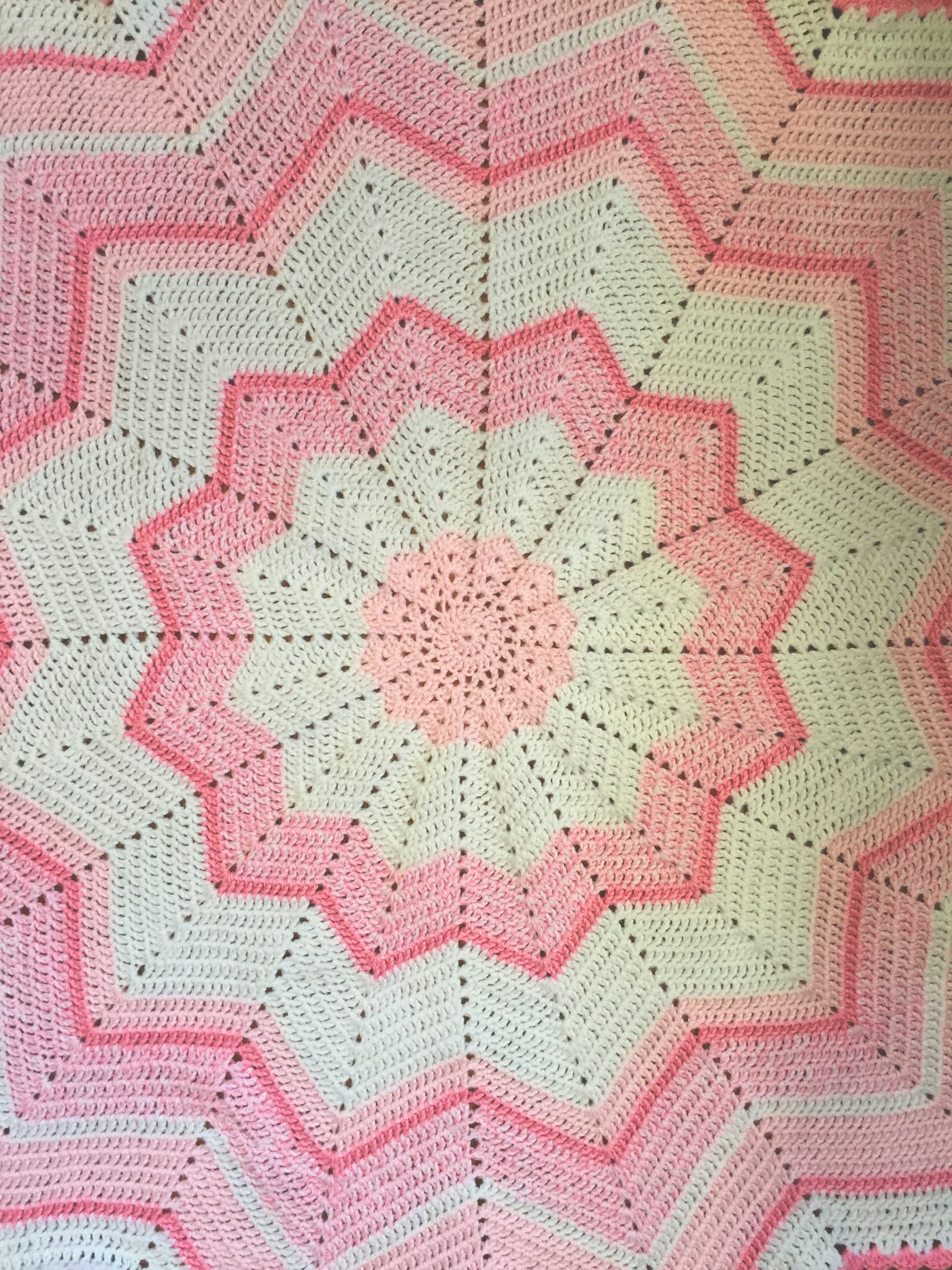
How to Block Crochet: Wet, Spray and Steam Methods by Fiber
Blocking is the finishing step that turns lumpy squares into flat ones, opens up lace, and makes edges straight. It's easy once you know which method suits your yarn. Here's how to do each one safely.
 Lesson 34 min read
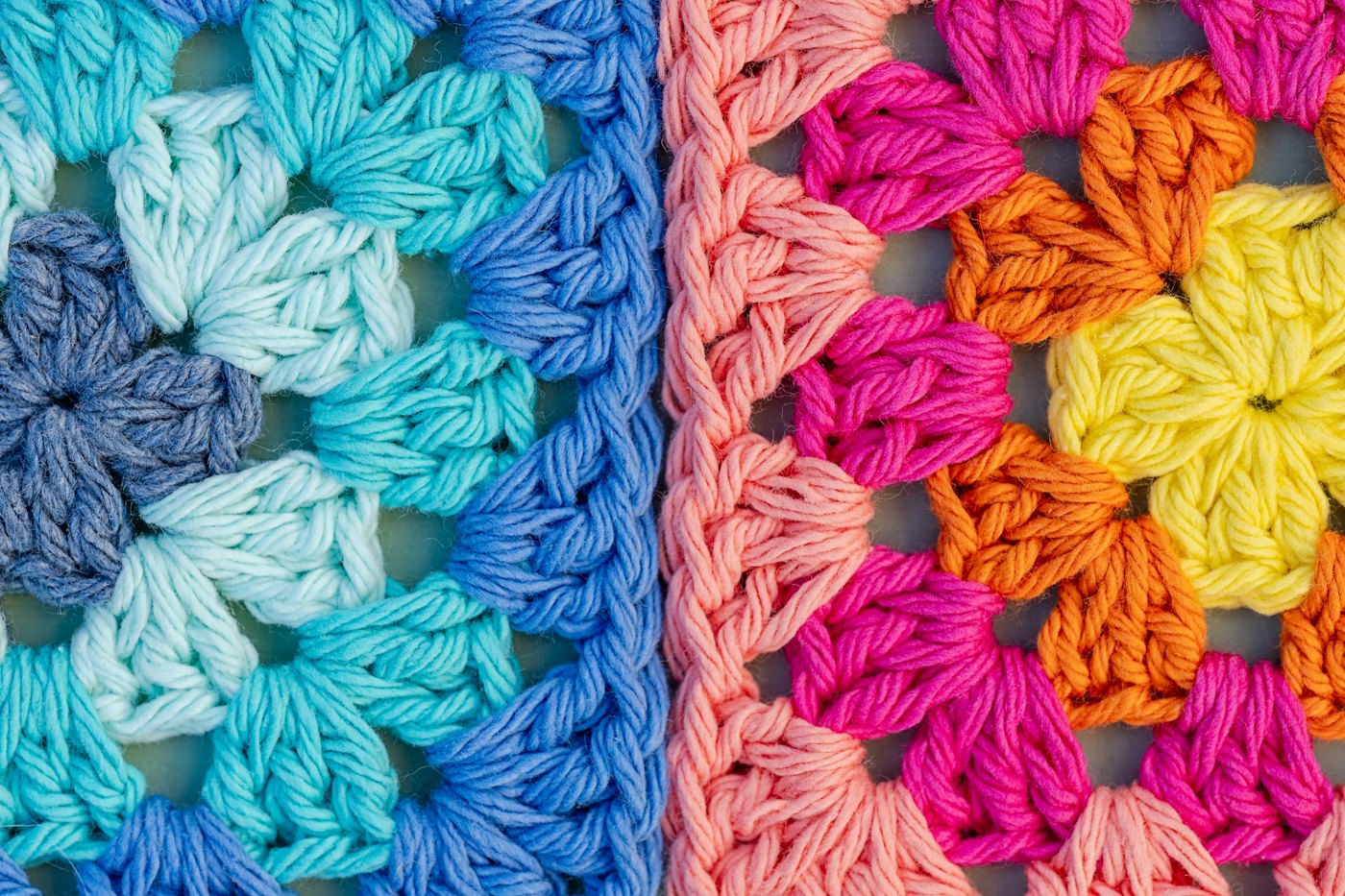
How to Change Colors in Crochet (Clean Joins Every Time)
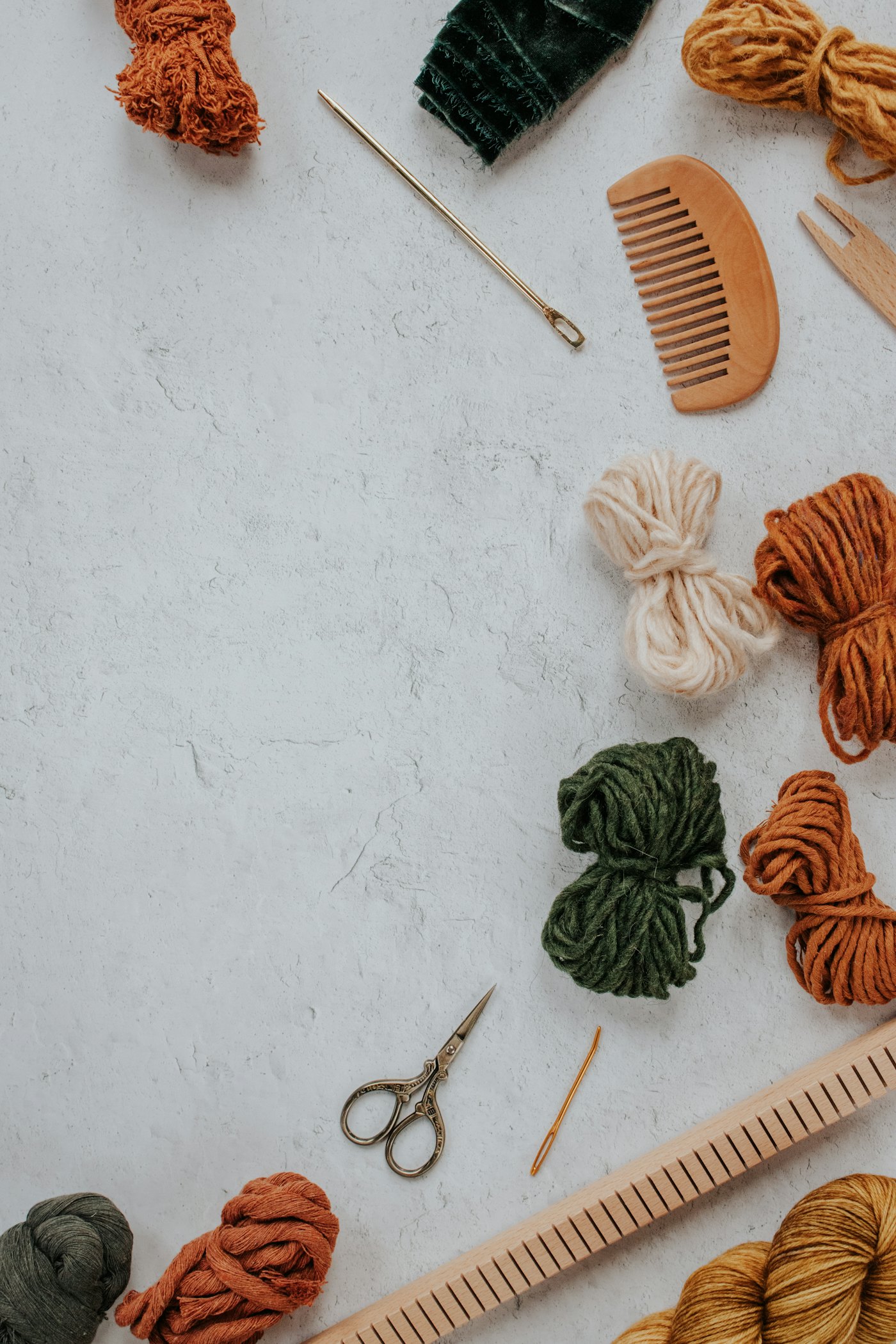
Changing colors looks tricky, but there's one trick behind almost every clean color change: switch to the new color on the last step of the stitch before. Here's how to do it in rows and rounds, and how to deal with all those ends.
 Lesson 44 min read
Foundation Single Crochet: Skip the Starting Chain
Foundation single crochet makes the starting chain and the first row of single crochet at the same time. The edge comes out stretchy, you never have to work into a tight chain, and you can count as you go. It's well worth learning once the basics feel comfortable.
Crochet Terms & Charts
Decode any pattern: the standard crochet abbreviations with UK equivalents, and how to read crochet chart symbols.
 Lesson 15 min read
Crochet Abbreviations Cheat Sheet (US Terms, with UK Equivalents)
Patterns are written in shorthand to save space, and once you know about thirty abbreviations you can read most of them. This cheat sheet groups the standard US abbreviations by what they do, and shows the UK names where they differ.
 Lesson 24 min read
How to Read Crochet Chart Symbols and Diagrams
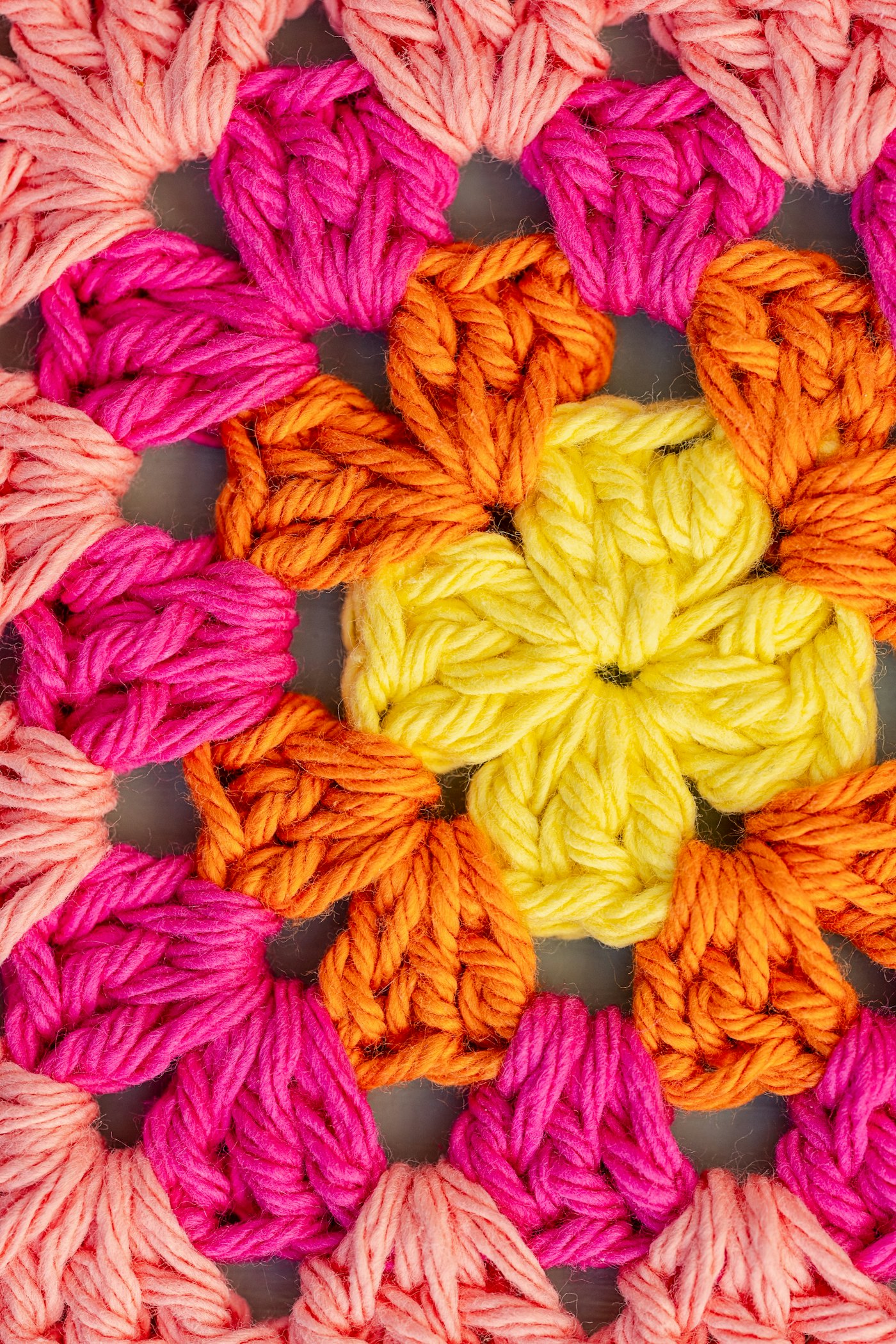
Crochet charts show a pattern as a picture, with one symbol per stitch. They're used all over the world because the symbols don't depend on language. Learn a dozen symbols and the reading direction, and charts become one of the fastest ways to follow a pattern.
Crochet Troubleshooting
Fix the common problems: tension that's too tight or too loose, holes and gaps, curling, and edges that won't stay straight.
 Lesson 14 min read
Crochet Tension Too Tight or Too Loose? How to Fix It
Tension is how firmly you hold and feed the yarn, and it shapes everything: how your fabric feels, whether your project ends up the right size, and how much yarn you use. Here's how to tell what's going wrong and how to fix it.
 Lesson 24 min read
Holes and Gaps in Your Crochet: What Causes Them and How to Fix Them
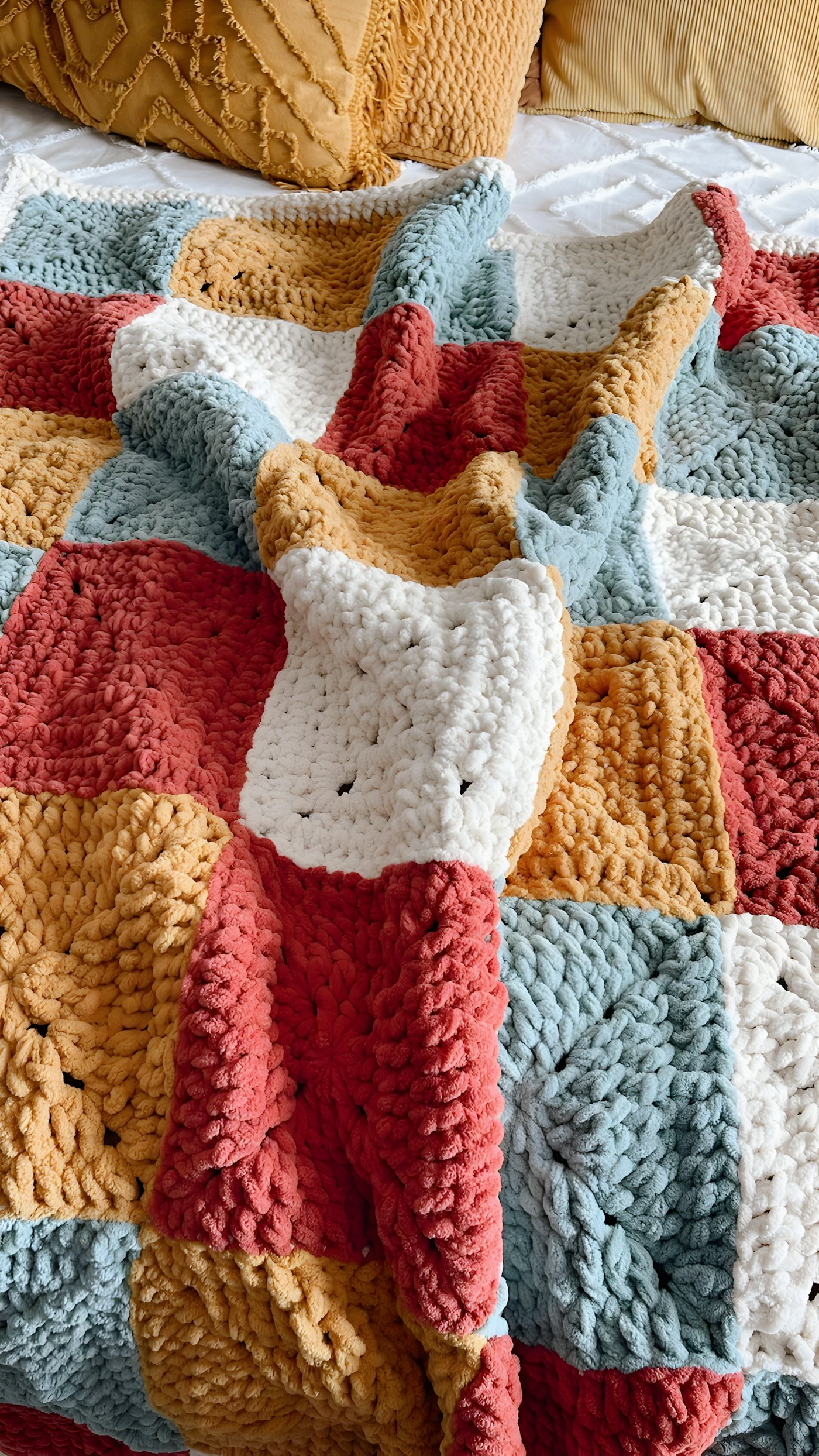
Some holes are part of the design, like the spaces in a granny square. Others sneak in by accident. Here's how to tell which is which, and how to find and fix the accidental ones.