Gauge & Stitch
Crochet Increase Calculator
Spread increases evenly across a row or round. Enter your current and target stitch counts and get written instructions you can follow stitch by stitch.
Even Increase Distribution Calculator
1. Starting StitchesRow/Round Base
sts
2. Target Goal+12 incs
sts
3. Stitch Typesc
Customizes the generated pattern instructions below
Calculated Increase Instructions
Total Increases Needed
+12increases
Work 2 stitches into 1 stitch at 12 locations
Interval Spacing
Every ~5.0 sts
4 plain stitches between each increase
Symmetry Alignment
Perfectly Equal
Evenly divided around perimeter
Ready-to-Use Written Pattern Row:
[sc in next 4 sts, 2 sc in next st] 12 times. (72 sts)
Staggering Circular Increases: When crocheting circles or amigurumi in rounds, stagger the location of your increases every other round so your circle doesn't turn into a visible hexagon!
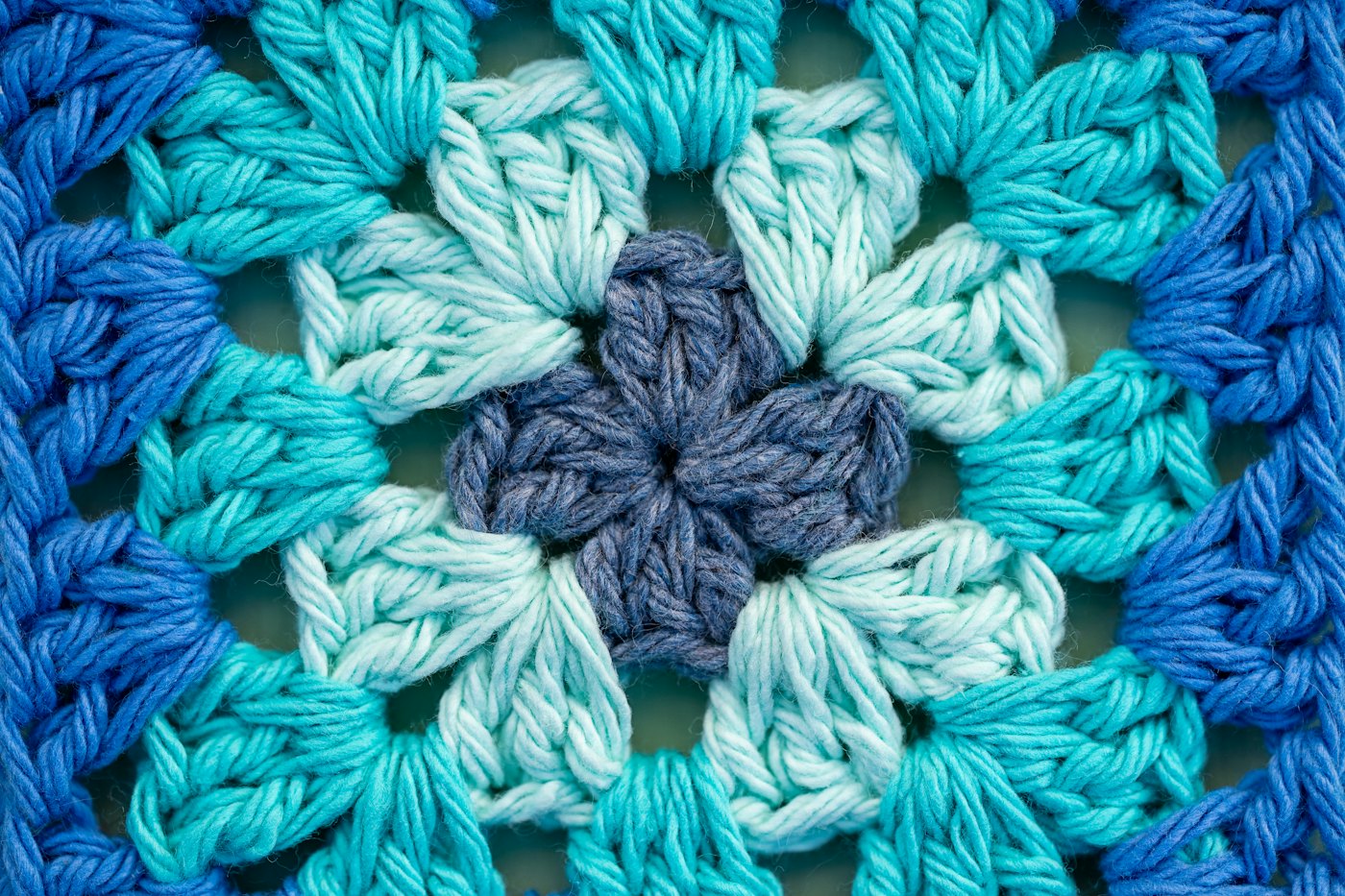
How to use the increase calculator
- Row 1Enter how many stitches you have now.
- Row 2Enter how many stitches you want to end with.
- Row 3Choose the stitch you're working (for example sc).
- Row 4Follow the written instruction, which spaces the increases evenly and balances any leftover stitches at the start and end.
Why spacing increases evenly matters
Putting all your increases in one place makes a bulge; spacing them evenly keeps the fabric flat and smooth. That's essential for hat crowns, circles, amigurumi and sweater yokes.
An increase here means 2 stitches in the same stitch, which adds one stitch each time. So going from 60 to 72 stitches takes 12 increases.
Worked examples
Even split: 60 stitches to 72 stitches. You need 12 increases. 60 ÷ 12 = 5, so each section uses 5 stitches: 4 plain stitches and 1 increase.
[Sc in next 4 sts, 2 sc in next st] 12 times. (72 sts)
Uneven split: 61 stitches to 73 stitches. Still 12 increases, but 61 doesn't divide evenly by 12. The calculator uses 12 sections of 5 stitches (60) and works the 1 leftover stitch plainly at the end:
[Sc in next 4 sts, 2 sc in next st] 12 times, sc in last 1 st. (73 sts)
When there's more than one leftover stitch, it splits them between the start and the end of the row, so the increases stay centered.
Rounds vs rows
In rounds, staggering your increases helps a circle stay round instead of turning hexagonal. A simple way to do it is to start each round at a slightly different point in the repeat. For flat circles, see the flat circle rule in our guide to crochet curling.
In rows, even spacing keeps the edges straight and the fabric from rippling.
The formula
Increases needed = target stitches − current stitches. Section size = current stitches ÷ increases (rounded down); each section is (section size − 1) plain stitches plus 1 increase. Leftover stitches are worked plainly, split between the start and end.
Tips
- Place a stitch marker at the start of each round so you can check your count.
- Count your stitches at the end of the row against the number shown in parentheses.
- If you need to more than double your stitches, spread the increases over two rows or rounds.
- For amigurumi, increases staggered from round to round give a smoother, rounder shape.
Crochet Increase Calculator FAQ
Work two single crochets into the same stitch. That's one increase: it turns one stitch into two.
In-depth guides
 Crochet Troubleshooting6 min read
Why Is My Crochet Blanket Getting Wider? 5 Causes and Fixes
A blanket that turns into a trapezoid is gaining stitches or changing tension. Diagnose which in two minutes, fix the five common causes, and rescue a blanket that's already wonky.
Read guide Crochet Basics8 min read
How to Read a Crochet Pattern: The Complete Guide
Every part of a crochet pattern explained, from skill levels and multiple sizes to repeats, stitch counts, shaping language, charts and schematics, plus what to do when something seems wrong.
Read guide
Related Crochet Calculators & Converters
Gauge & Stitch
Stitch Count Calculator
Calculate the exact number of stitches needed to resize any pattern or match custom dimensions.
Open Calculator
Gauge & Stitch
Crochet Decrease Calculator
Distribute decreases smoothly across any row or round with human-readable crochet instructions.
Open Calculator
Project Size
Amigurumi Size Calculator
Scale amigurumi toy patterns up or down by switching yarn weights and hook sizes.
Open Calculator