Project Size
Amigurumi Size Calculator
See how big an amigurumi will turn out in a different yarn weight, which hook and safety eye size to use, and how much more yarn and stuffing you'll need.
Amigurumi Toy Pattern Resizer
1. Original HeightPattern Size
inches
Height of finished plushie as stated in written pattern
2. Pattern Yarn WeightBase
Usually #4 Worsted or #3 DK in most patterns
3. Your Chosen YarnTarget
Choose plush chenille (#6) for gigantic cuddly toys!
Scaled Toy Dimensions & Hardware Blueprint
New Finished Toy Height
12.6inches
Original 6 inches scaled by 2.10x
Recommended Amigurumi Hook
6.5 - 8.0 mm
Sized down 1-1.5mm to keep stuffing hidden
Scaled Safety Eye Size
24 - 30 mm
Matches new head and face proportions
Yarn Length Multiplier
~2.1x
Approximate extra yardage (same stitch count). Stuffing grows faster: about 9.3× as much.
Original Pattern:
6 inches
#4 Medium 2.10x
Your Scaled Plushie:
12.6 inches
#6 Super Bulky The No-Holes Rule: Always work amigurumi stitches significantly tighter than regular crochet! If the yarn ball band suggests a 5.0mm hook, use a 3.75mm or 4.0mm hook. Dense fabric ensures polyfill stuffing stays completely hidden and prevents white fluff from poking out between stitches.
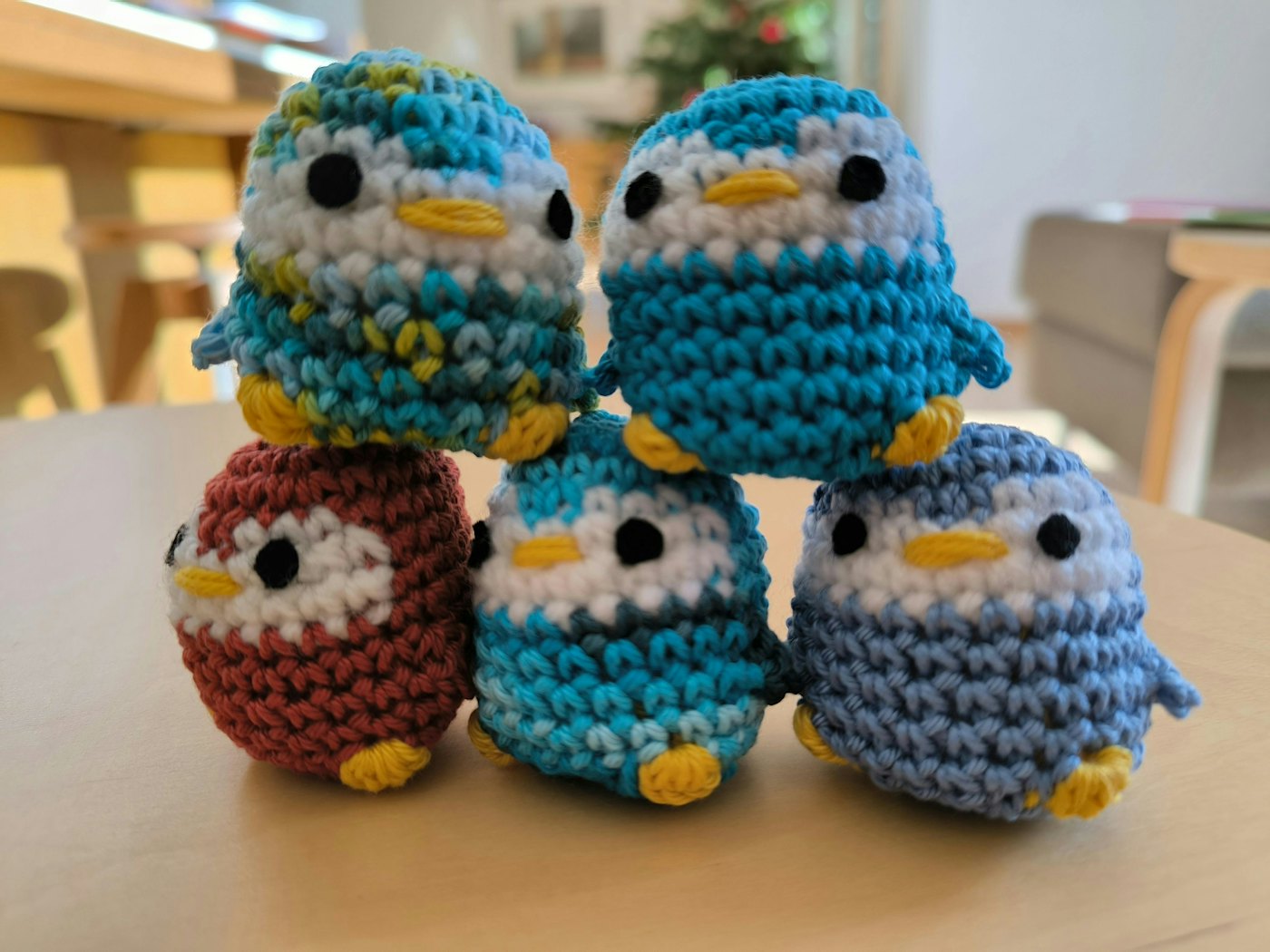
How to use the amigurumi size calculator
- Row 1Enter the finished height from the original pattern.
- Row 2Choose the yarn weight the pattern uses.
- Row 3Choose the yarn weight you want to use instead.
- Row 4Read the new height, the suggested hook and safety eye size, and the yarn and stuffing multipliers.
Same pattern, different yarn, different size
Amigurumi patterns are written as stitch counts, not measurements. Work the same pattern in thicker yarn and every stitch gets bigger, so the whole toy gets bigger, with the same proportions.
The calculator scales the height using typical size ratios between yarn weights, with worsted as the baseline. Because amigurumi are worked tightly, usually with a hook smaller than the yarn label suggests, it also suggests a tighter hook range for each weight.
Worked example
A 6-inch toy pattern written for worsted (#4), made in super bulky (#6) plush yarn:
- Size ratio: about 2.1×, so the new toy is about 12.6 inches tall
- Yarn length: about 2.1× the yards. The stitch count is the same; each stitch is just bigger.
- Stuffing: about 9.3× as much. Stuffing fills the volume, which grows with the cube of the size (2.1 × 2.1 × 2.1).
- Safety eyes: much larger, in the 24–30 mm range for plush super bulky yarn
These are estimates. Fluffy or chenille yarns can work up bigger than their weight category suggests, so make one small part, such as the head, and measure it before committing.
Safety for children's toys
If the toy is for a baby or a child under 3, skip plastic safety eyes, buttons and beads, which can become choking hazards. Embroider the eyes and features with yarn instead. Work tightly so stuffing can't be pulled out, and sew every part on securely.
The formula
New height = original height × (new yarn's size ratio ÷ original yarn's size ratio). Yarn length ≈ original yardage × that scale. Stuffing ≈ original amount × scale³.
Tips
- Use a hook small enough that you can't see the stuffing through your stitches.
- Measure your first finished part against the scaled height to confirm the size.
- Chenille and velvet yarns are hard to frog, so check the size early.
- Use invisible decreases for a smoother finish, especially in thick yarn where bumps show more.
Amigurumi Size Calculator FAQ
Yes. With the same pattern, a bulky version comes out roughly 1.4–1.5 times the height of a worsted one, and super bulky about twice the height.
In-depth guides
 Crochet Troubleshooting5 min read
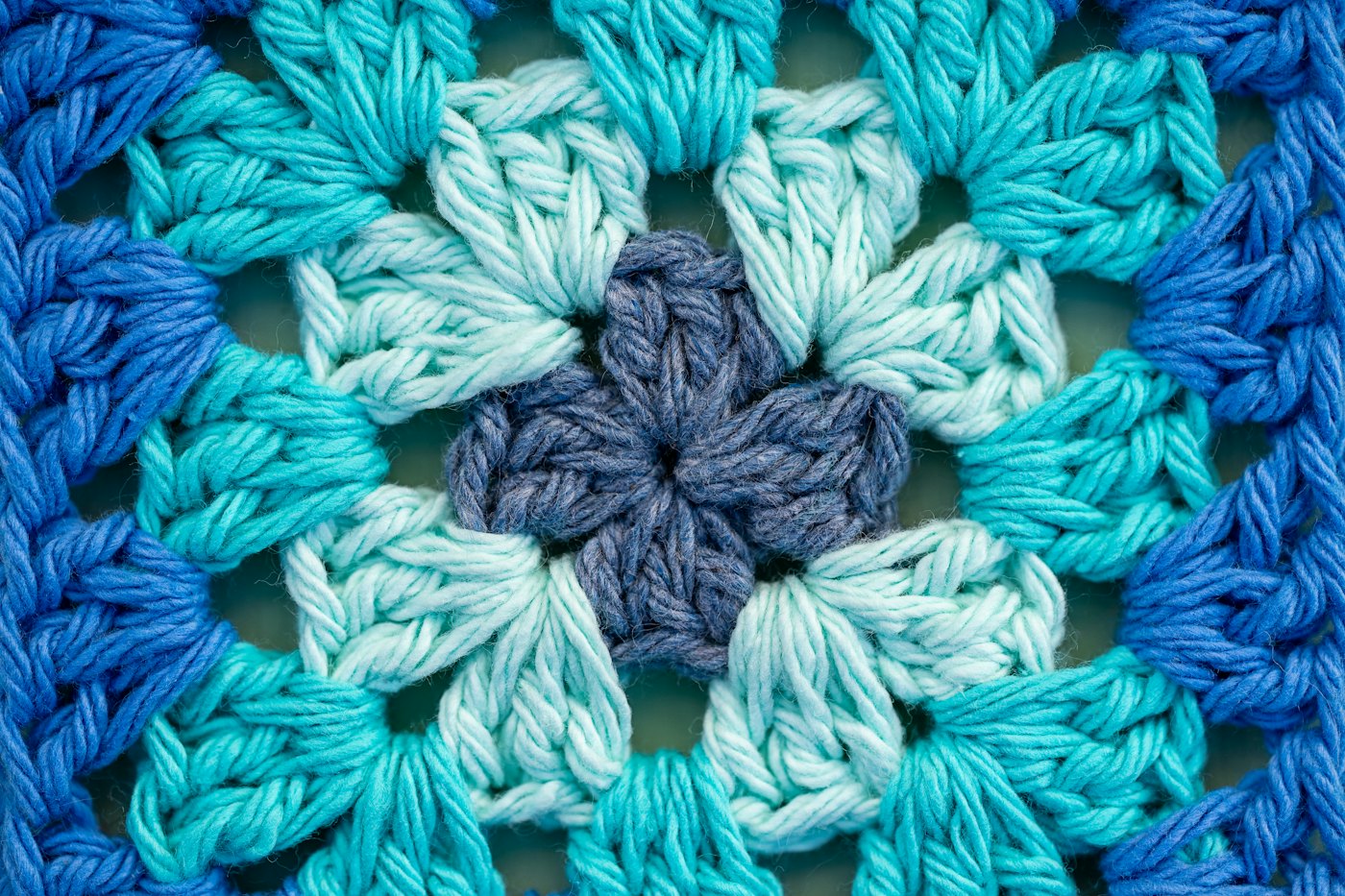
Why Is My Crochet Curling? Fixes for Rows, Circles and Granny Squares
Curling almost always means one part of the fabric is tighter than the rest. Here's how to fix curling rows, circles that cup or ruffle, and granny squares that won't lie flat.
Read guide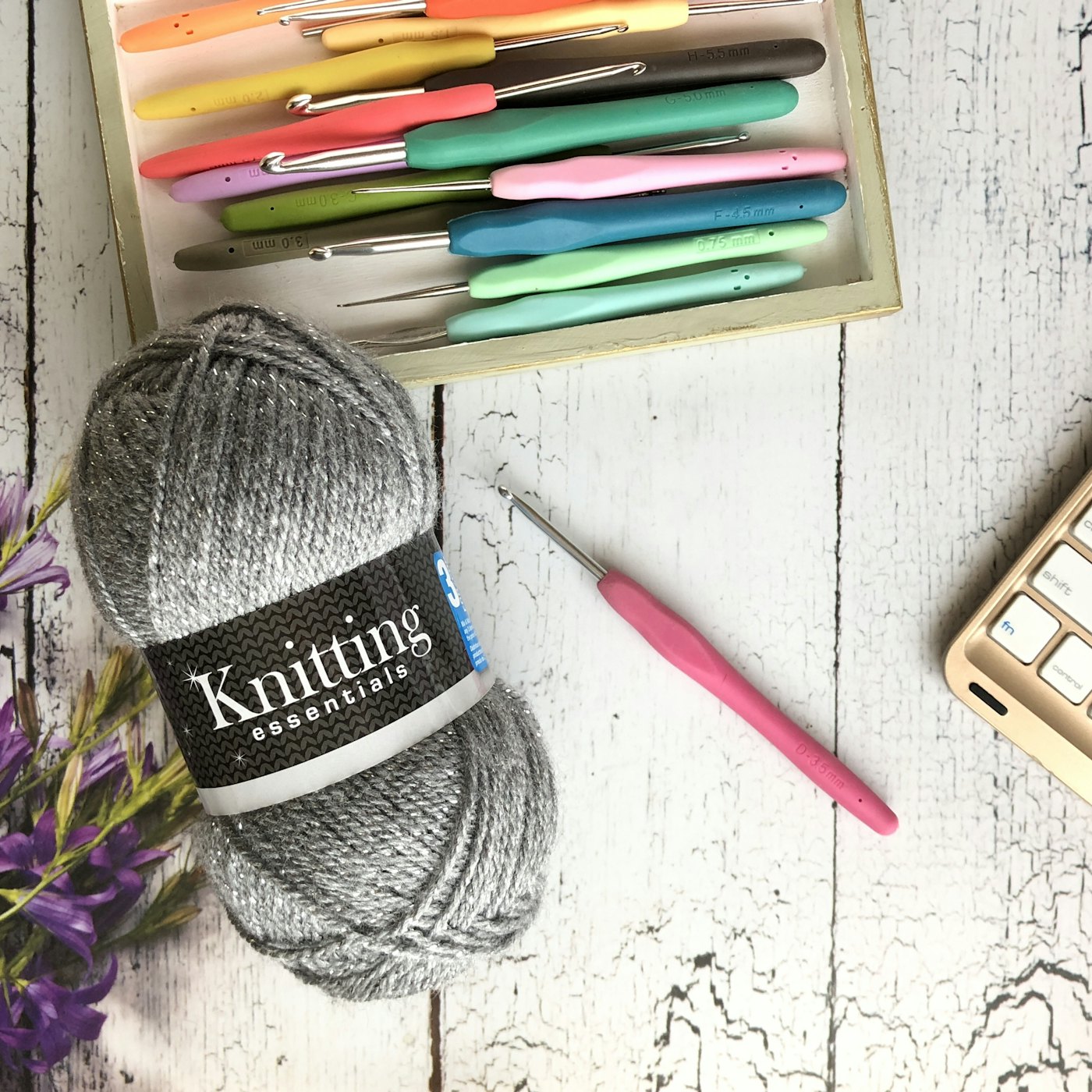 Crochet Hooks7 min read
Crochet Hook Sizes Chart: mm, US Letters and UK Sizes Explained
Why millimeters are the only size you can trust, a full conversion chart, steel hooks, which hook suits which yarn, and how hook shape and material change the way you crochet.
Read guide
Related Crochet Calculators & Converters
Yarn
Yarn Weight Converter
Compare Craft Yarn Council categories (0 to 7), WPI, ply equivalents (US/UK/AUS), and hook pairings.
Open Calculator
Gauge & Stitch
Crochet Increase Calculator
Evenly distribute increase stitches across any row or round with step-by-step crochet instructions.
Open Calculator
Gauge & Stitch
Crochet Decrease Calculator
Distribute decreases smoothly across any row or round with human-readable crochet instructions.
Open Calculator