Gauge & Stitch
Crochet Decrease Calculator
Spread decreases evenly across a row or round, for hats, amigurumi and shaping. Enter your current and target stitch counts and get clear instructions.
Even Decrease Distribution Calculator
1. Starting StitchesCurrent Row
sts
2. Target Goal-12 decs
sts
3. Techniquesc2tog
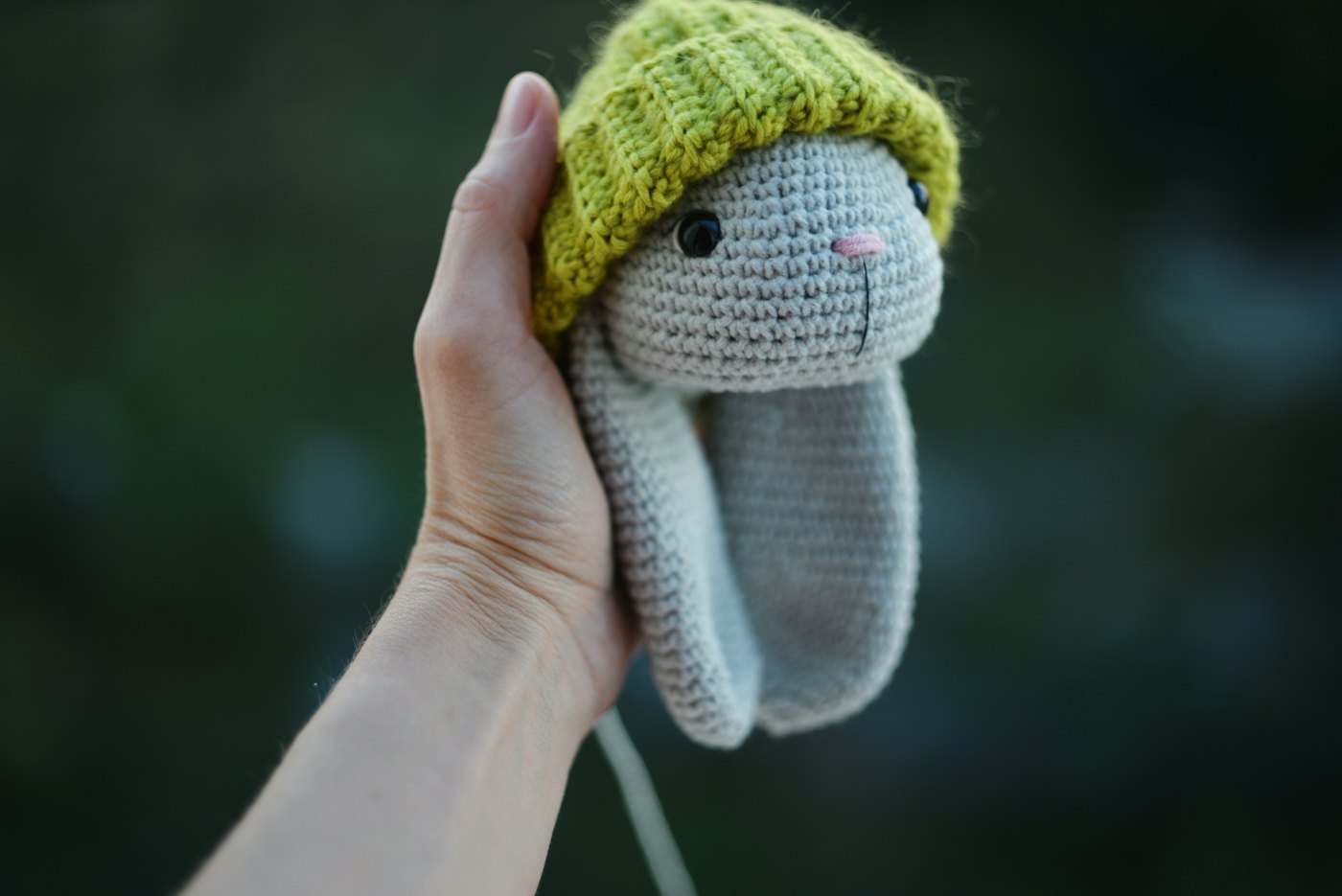
For amigurumi toys, work sc2tog through the front loops only (FLO) for an invisible decrease!
Calculated Decrease Pattern Instructions
Total Decreases Needed
-12decreases
Turns 24 stitches into 12 stitches
Interval Spacing
4 Plain Sts
Between each decrease pair
Evenness Alignment
Symmetric Repeat
Balances row without pulling edges
Ready-to-Use Written Pattern Row:
[sc in next 4 sts, sc2tog] 12 times. (60 sts)
The Invisible Decrease Trick: Standard `sc2tog` leaves a bulky ridge and visible holes in stuffed toys. Instead, insert hook through the front loop only of the first stitch, then immediately through the front loop only of the second stitch, yarn over, pull through both loops, yarn over and pull through 2. It creates a virtually undetectable decrease!
How to use the decrease calculator
- Row 1Enter your current number of stitches.
- Row 2Enter the number you want to end with.
- Row 3Choose your decrease style, such as sc2tog.
- Row 4Follow the written instruction, which spaces the decreases evenly and balances leftover stitches at the start and end.
How a decrease works
A decrease turns two stitches into one. In single crochet it's usually written sc2tog (single crochet two together): you start a stitch in each of the next two stitches and finish them together. Each decrease removes one stitch, so going from 72 to 60 stitches takes 12 decreases.
For amigurumi, the invisible decrease gives the same stitch count with a smoother look. See our invisible decrease lesson.
Worked examples
Even split: 72 stitches to 60. You need 12 decreases, which use 24 stitches, leaving 48 plain stitches. 48 ÷ 12 = 4 plain stitches between decreases.
[Sc in next 4 sts, sc2tog] 12 times. (60 sts)
Uneven split: 50 stitches to 44. That's 6 decreases. They use 12 stitches, leaving 38 plain. 38 ÷ 6 = 6 with 2 left over, so the 2 leftover stitches go one at each end:
Sc in next 1 st, [sc in next 6 sts, sc2tog] 6 times, sc in last 1 st. (44 sts)
Check: 1 + 6 × 8 + 1 = 50 stitches used, and 1 + 6 × 7 + 1 = 44 stitches made.
Limits and tips
A two-together decrease can at most halve your stitch count in one row (every pair becomes one stitch). If you need to go further, the calculator will tell you to spread the decreases over two rows, or use three-together decreases such as sc3tog.
For closing amigurumi, designers typically decrease by 6 stitches per round, for example 36, 30, 24, 18, 12 and 6, then cinch the last stitches closed.
The formula
Decreases needed = current stitches − target stitches. Plain stitches = current − (decreases × 2). Plain per section = plain stitches ÷ decreases (rounded down); leftovers are worked plainly, split between the start and end.
Tips
- Stagger decreases from round to round so amigurumi stay round instead of pointed.
- Use the invisible decrease for single crochet in the round; it hides the decrease.
- Count your stitches after each decrease round.
- Stuff amigurumi firmly before the last few decrease rounds; the opening gets small quickly.
Crochet Decrease Calculator FAQ
Single crochet two together: insert into the next stitch and pull up a loop, insert into the following stitch and pull up a loop, then yarn over and pull through all three loops. Two stitches become one.
In-depth guides
 Crochet Troubleshooting6 min read
Why Is My Crochet Blanket Getting Wider? 5 Causes and Fixes
A blanket that turns into a trapezoid is gaining stitches or changing tension. Diagnose which in two minutes, fix the five common causes, and rescue a blanket that's already wonky.
Read guide Crochet Techniques6 min read
How to Fix Uneven Crochet Edges and Keep Them Straight
Almost every wobbly edge comes from the first and last stitch of each row. Learn the turning chain rules, the fixes for gappy edges, and how to tidy a finished piece with a border.
Read guide
Related Crochet Calculators & Converters
Gauge & Stitch
Stitch Count Calculator
Calculate the exact number of stitches needed to resize any pattern or match custom dimensions.
Open Calculator
Gauge & Stitch
Crochet Increase Calculator
Evenly distribute increase stitches across any row or round with step-by-step crochet instructions.
Open Calculator
Project Size
Crochet Hat Size Calculator
Calculate crown circle diameter, total hat height, and stitches for preemie to adult sizes.
Open Calculator