Inspiration
Cottagecore Crochet: Flowers, Lace and Cozy Projects to Make
Wildflower motifs, heirloom lace and soft, faded colors for a gentle, handmade look.
3 min readPublished Updated
This profile is a development placeholder, not a real person, and claims no credentials. See our contributors.
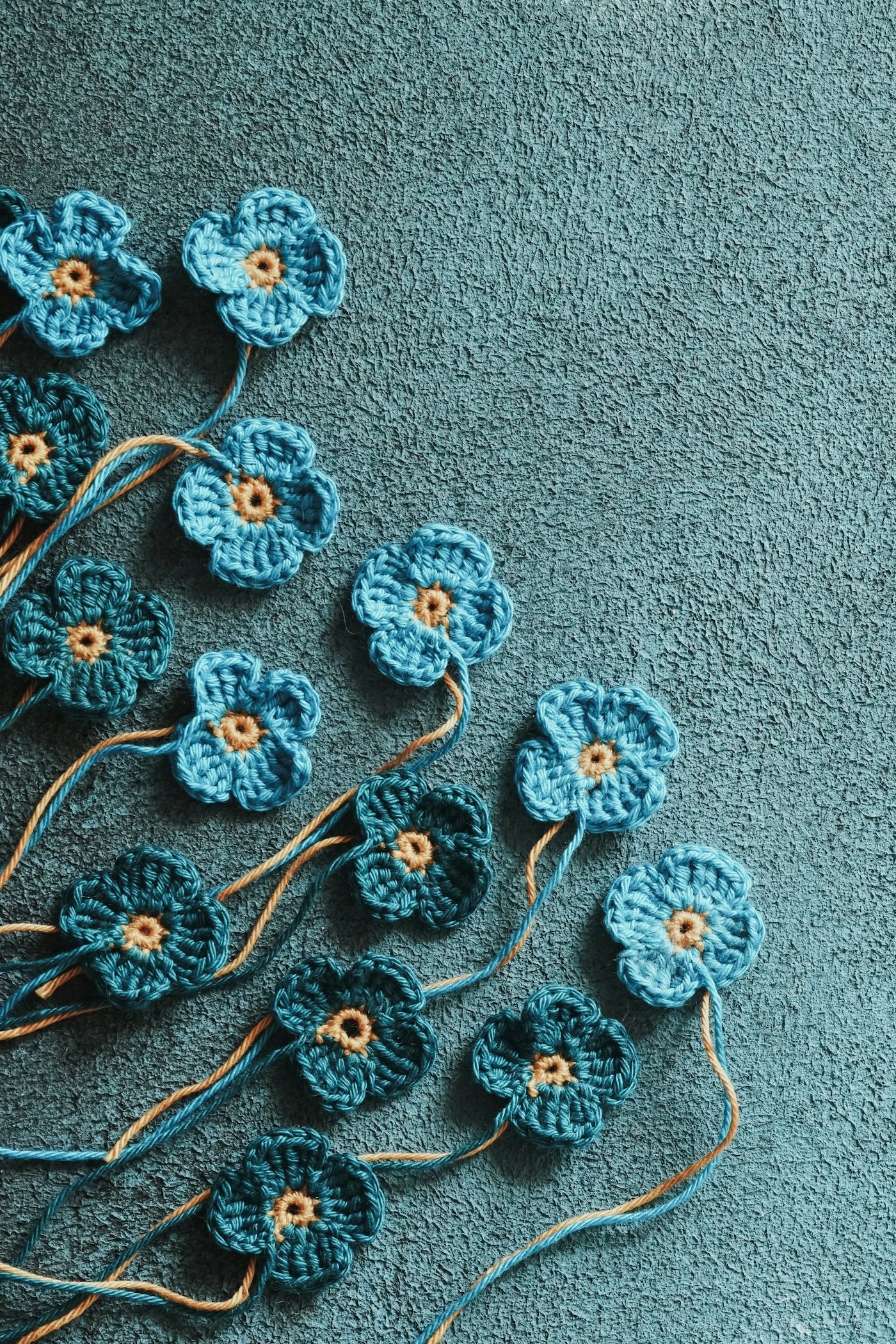
Cottagecore celebrates a slower, softer way of living: gardens, baking, wildflowers, and objects made by hand to last. It's no surprise crochet is at the heart of it. Many of the things that define the look, such as lace collars, flower-strewn blankets and woven market bags, are things crocheters have made for generations.
The trick to cottagecore crochet is gentleness: faded colors, natural fibers, small details and a little bit of romance.
The cottagecore palette
Cottagecore colors look sun-faded rather than bright. Think of a cottage garden in the early evening:
- Creams and oatmeal as the base, instead of stark white.
- Sage and moss greens, soft and slightly grey.
- Dusty pinks and roses.
- Butter yellow, like buttercups or old linen.
- Lavender and faded blues as accents.
The palette at the top of this article (cream, sage, dusty rose and butter yellow) is a classic combination. If your colors look too bright together, swap one for a softer, greyer version. Our color palette generator has soft pastel, vintage cottage and spring garden styles to start from.
Fibers that fit the look
Natural fibers give cottagecore its lived-in, timeless feel:
- Cotton is crisp and shows stitch detail beautifully, which makes it ideal for lace, flowers and kitchen items.
- Linen and linen blends soften with every wash and have a lovely, slightly rustic drape.
- Wool is warm and springy, perfect for blankets and shawls.
That said, a soft acrylic in the right color is perfectly cottagecore for a washable baby blanket. The look is about color and detail as much as fiber.
Techniques you'll use
Most cottagecore projects come down to a few techniques:
- Flowers and motifs usually start with a magic ring, so the center closes neatly.
- Granny squares, plain or with a flower in the center, are the backbone of cottagecore blankets. Our granny square calculator works out how many you need.
- Lace and scalloped edges use taller stitches and shells, so treble crochet is worth practicing.
- Blocking is essential for lace: it opens up the pattern and makes points and petals crisp. See our blocking lesson.
Small details, big effect
You don't need to make a whole blanket to get the look. Small details carry a lot of cottagecore charm:
- Flower appliqués sewn onto a plain bag, cardigan or cushion.
- Scalloped or picot edgings on a tea towel, pillowcase or plain shawl.
- Little lace collars that button onto a plain dress or sweater.
- Crochet buttons to replace plain plastic ones.
These are also brilliant for using up small amounts of leftover yarn.
Project ideas
Daisy meadow blanket
Granny squares with a white daisy center on a sage or cream background, joined with a soft green. Make one square a day and it grows surprisingly fast.
Yarn: Worsted (#4) cotton or cotton blend
Scalloped tea shawl
A triangle shawl in soft lace with a scalloped edge, worked in shells. Blocking opens the lace and sharpens the scallops.
Yarn: Fingering (#1) or sport (#2) wool
Wildflower pot holders
Thick double-layered squares with a flower motif on the front. Use 100% cotton, since acrylic can melt with heat.
Yarn: Worsted (#4) 100% cotton
Market bag
An open mesh bag that stretches to hold a farmer's market haul and folds small. A solid single crochet base keeps small things from falling through.
Yarn: Worsted (#4) cotton
Lace collar
A small, quick project in fine cotton thread or light cotton yarn, finished with a button or ribbon ties. Pretty over a plain sweater.
Yarn: Crochet thread or fine (#2) cotton
Flower garland
A string of small flowers joined with a chain, for a windowsill, shelf or nursery. A great way to use up scraps.
Yarn: Any leftovers, ideally cotton
Frequently asked questions
Soft, faded colors: cream and oatmeal, sage green, dusty rose, butter yellow and lavender, rather than bright primaries.
Related Crochet Calculators & Converters
Yarn Calculator
Estimate total yardage, meters, and skein count needed for blankets, scarves, sweaters, and shawls.
Crochet Color Palette Generator
Generate harmonious yarn color palettes for blankets, granny squares, and striped garments.
Granny Square Calculator
Calculate how many granny squares and joins you need to reach any finished blanket dimensions.
Related Educational Guides & Tutorials
Yarn Weight Chart: Categories 0 to 7 Explained for Crochet
What yarn weight really means, the standard 0–7 chart with hooks and gauges, international ply names, how to identify unlabeled yarn, and how to substitute one yarn for another.
Why Is My Crochet Curling? Fixes for Rows, Circles and Granny Squares
Curling almost always means one part of the fabric is tighter than the rest. Here's how to fix curling rows, circles that cup or ruffle, and granny squares that won't lie flat.