Crochet Business
How to Price Crochet Items: Formula, Worked Example and Etsy Fees
How to work out what a crochet item really costs you, set an hourly rate, add profit, handle wholesale and Etsy fees, and price for fairs and custom orders, with a full worked example.
7 min readPublished Updated
This profile is a development placeholder, not a real person, and claims no credentials. See our contributors.
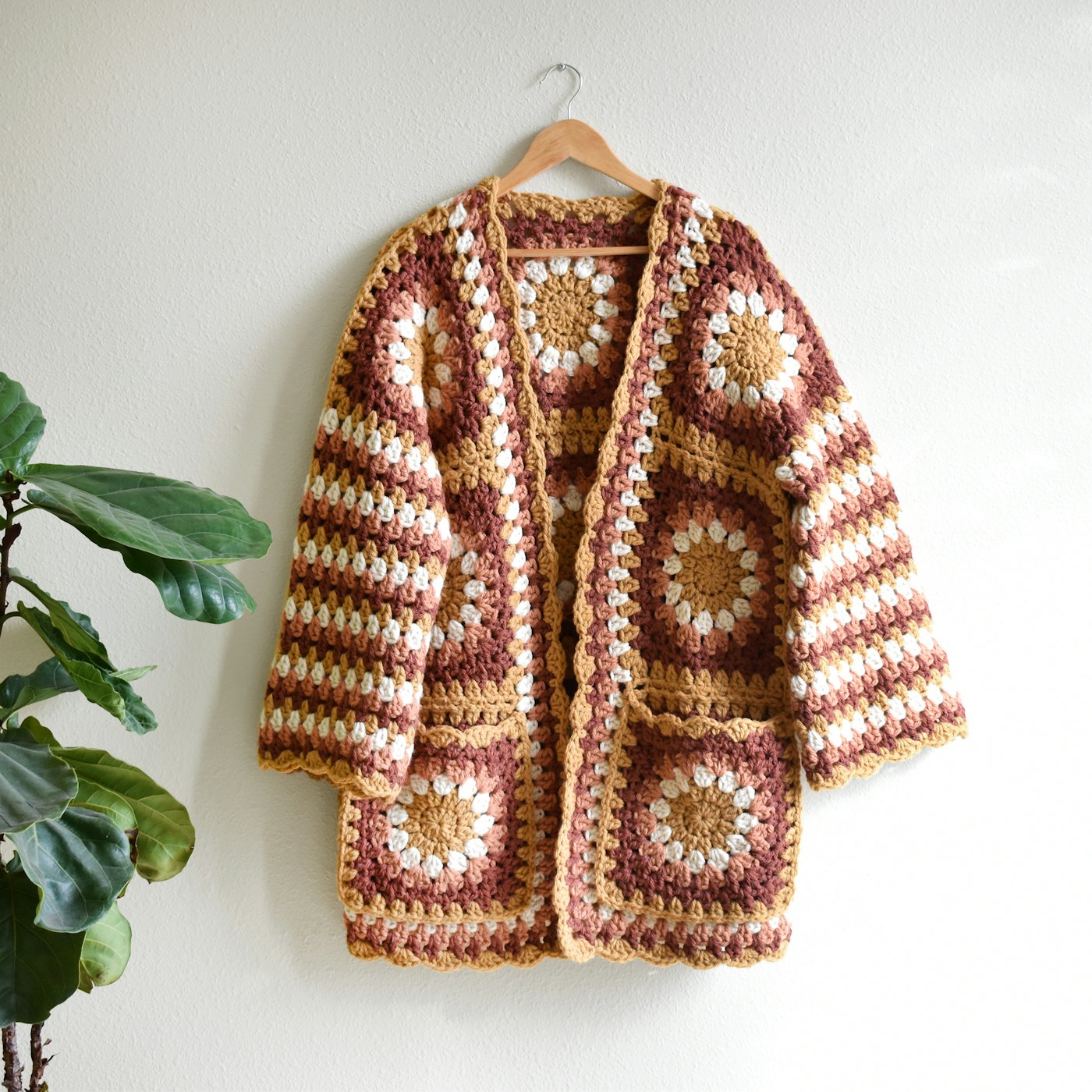
Why pricing crochet is so hard
If you've ever worked out what a handmade blanket "should" cost and then winced at the number, you're not alone. Crochet is slow. It can't be done by machine, so every stitch is made by hand, and a single throw can take 20, 40 or more hours.
That puts crocheters in a bind: price for the real time, and the item looks expensive next to mass-produced goods; price to compete with stores, and you're working for very little per hour.
There's no single right answer, but there is a clear way to think about it. Start from what the item actually costs you to make, then decide, deliberately, how much to charge on top. This guide walks through it step by step, with a worked example.
The basic formula
Most handmade pricing starts with three ingredients:
Cost to make = materials + labor + overhead
- Materials: yarn, plus everything else that goes into the item: stuffing, safety eyes, buttons, labels, and a share of tools that wear out.
- Labor: the hours you spend multiplied by an hourly rate you choose.
- Overhead: the costs of running your little business: packaging, listing and payment fees, market stall fees, travel, photography and a share of things like your website.
Then you decide on a profit margin on top, the part that lets your business grow, buy tools, or cover slow months.
Price = cost to make + profit
Many sellers express profit as a percentage of cost, for example 20–30%. Some use the "double it" rules covered below. Whatever you choose, know the cost first, so you know what you're giving up when you discount.
Setting your hourly rate
This is the part most crocheters underprice. A few ways to think about it:
- A minimum-wage floor. Many makers start from the minimum wage where they live. It's a useful baseline: anything below it means you're paying to make the item.
- A skilled-craft rate. Crochet is a skill that takes time to learn. Some makers charge more than minimum wage, especially for complex or custom work.
- What you'd earn otherwise. If you'd earn a certain amount per hour at another job, that's what your crochet time costs you.
Track your time honestly. Use a timer for a whole project, including weaving in ends, blocking and photographing. Most people are surprised by how long things really take. Once you've timed one item, you can price the next one confidently.
If the full-labor price is higher than your market will pay, you have choices: speed up (simpler designs, thicker yarn), target buyers who value handmade work, or sell something with better time economics, such as small items or digital patterns.
A worked example
Let's price a hand-crocheted baby blanket.
| Item | Cost |
|---|---|
| Yarn: 5 balls × $5.00 | $25.00 |
| Label and gift wrap | $2.00 |
| Materials total | $27.00 |
| Labor: 12 hours × $15/hour | $180.00 |
| Overhead: packaging, fees and supplies (10% of materials and labor) | $20.70 |
| Cost to make | $227.70 |
| Profit: 20% | $45.54 |
| Price | about $273 |
That might feel high for a baby blanket, and that's the honest reality of handmade work. If it's more than your buyers will pay, look at the levers:
- Reduce time: a quicker stitch, a thicker yarn or a smaller size.
- Adjust your rate consciously, knowing what you're choosing.
- Charge for value: custom colors, names, heirloom-quality yarn and gift packaging justify a higher price.
Our pricing calculator runs this formula for you and shows retail and wholesale prices side by side, and the time calculator estimates how long a project will take.
Wholesale vs retail prices
If you sell to shops as well as directly to customers, you need two prices.
- Retail is what the end customer pays.
- Wholesale is what a shop pays you, so they can resell it at retail and make their own profit.
A common rule in handmade selling: wholesale is about half of retail. So if your retail price is $80, a shop would pay you about $40 and sell it for $80.
This means your wholesale price must still cover your cost to make. Some makers use the formula "cost × 2 = wholesale, wholesale × 2 = retail", but for labor-heavy crochet that often produces prices the market won't bear. Work out your cost, decide what you need from a wholesale sale, and check whether doubling it gives a retail price your buyers will pay. If not, wholesale may not be right for that item.
Selling on Etsy: include the fees
Marketplace fees come out of every sale, so they belong in your overhead. As of 2026, Etsy's standard fees for US sellers are commonly listed as:
- Listing fee: $0.20 per listing, which lasts four months or until the item sells.
- Transaction fee: 6.5% of the total sale, including shipping and gift wrap.
- Payment processing: 3% + $0.25 per order for US sellers (rates differ by country).
- Offsite Ads: 15% on sales that come through Etsy's ads, or 12% for shops with over $10,000 in yearly sales, for whom the program is mandatory.
Example: you sell a $60 item and charge $6 shipping, a $66 order.
- Transaction fee: 6.5% × $66 = $4.29
- Payment processing: 3% × $66 + $0.25 = $2.23
- Listing fee: $0.20
That's $6.72 in fees, about 10% of the order, before any Offsite Ads fee. Fees change, so check Etsy's current fee page before you set prices, and review your prices whenever fees go up.
Pricing for craft fairs and custom orders
Craft fairs
- Add your stall fee, travel and display costs to your overhead, spread across the items you expect to sell.
- Offer a range of price points: small, quick items such as coasters and scrunchies sell easily, and they make the bigger pieces look reasonable.
- Round to simple numbers for cash sales.
Custom orders
- Charge more for custom work. It involves extra communication, planning and sometimes a special yarn order.
- Take a deposit (often 25–50%) before you buy yarn, especially for large items, to cover materials if the customer changes their mind.
- Agree on colors, size and timing in writing, even in a simple message.
Selling items made from someone else's pattern
Patterns are the designer's copyrighted work. Whether you can sell items made from one depends on the designer's terms:
- Many designers allow small-scale sales of finished items, often asking you to credit them ("pattern by…").
- Some don't allow commercial use at all, or require a paid license.
- Selling the pattern itself, or copies of it, is not allowed without permission.
- Characters and brands (cartoon characters, sports logos and similar) are usually protected by trademark or copyright, and selling unlicensed items featuring them can lead to legal trouble or your listings being removed.
Check the terms on the pattern or the designer's website, and when in doubt, ask. Most designers are happy to say yes to small sellers who ask nicely.
Common pricing mistakes
- Forgetting your time. Charging only for yarn means you're working for free.
- Forgetting small costs. Labels, stuffing, packaging and fees add up quickly.
- Copying other sellers' prices. They may be underpricing too, or using cheaper yarn, or have no overhead.
- Discounting by default. Every discount comes out of your labor or profit, so know your cost before you agree to a lower price.
- Never raising prices. As your skills, speed and costs change, review your prices at least once a year.
Selling handmade work is a business, even a small one. Pricing it properly means you can keep doing it.
*This guide is general information, not financial or legal advice. Tax and business rules vary by country and state, so check local requirements.*
Frequently asked questions
Add materials, labor (hours × your hourly rate) and overhead such as packaging and fees to get your cost to make, then add a profit margin. Our pricing calculator does this for you.
Related Crochet Calculators & Converters
Yarn Calculator
Estimate total yardage, meters, and skein count needed for blankets, scarves, sweaters, and shawls.
Crochet Pricing Calculator
Price handmade crochet items fairly for retail, wholesale, craft fairs, and Etsy shops.
Crochet Time Calculator
Estimate how many hours and days it will take to finish your crochet project based on your stitch speed.
Related Educational Guides & Tutorials
What Is Crochet Gauge? How to Measure It and Why It Matters
Gauge is the translation key between the designer's hands and yours. Learn how to make a swatch that tells the truth, measure it, match the pattern, and use the math to size any project.
How Much Yarn for a Crochet Blanket? Chart and 3 Ways to Estimate
A full yardage chart for every blanket size, what changes the numbers, and three ways to estimate, including a swatch method that's accurate to within a few percent.
Yarn Weight Chart: Categories 0 to 7 Explained for Crochet
What yarn weight really means, the standard 0–7 chart with hooks and gauges, international ply names, how to identify unlabeled yarn, and how to substitute one yarn for another.